FOR IMMEDIATE RELEASE
14 September 1999
LEAN, GREEN ENGINE TECHNOLOGY FIRST
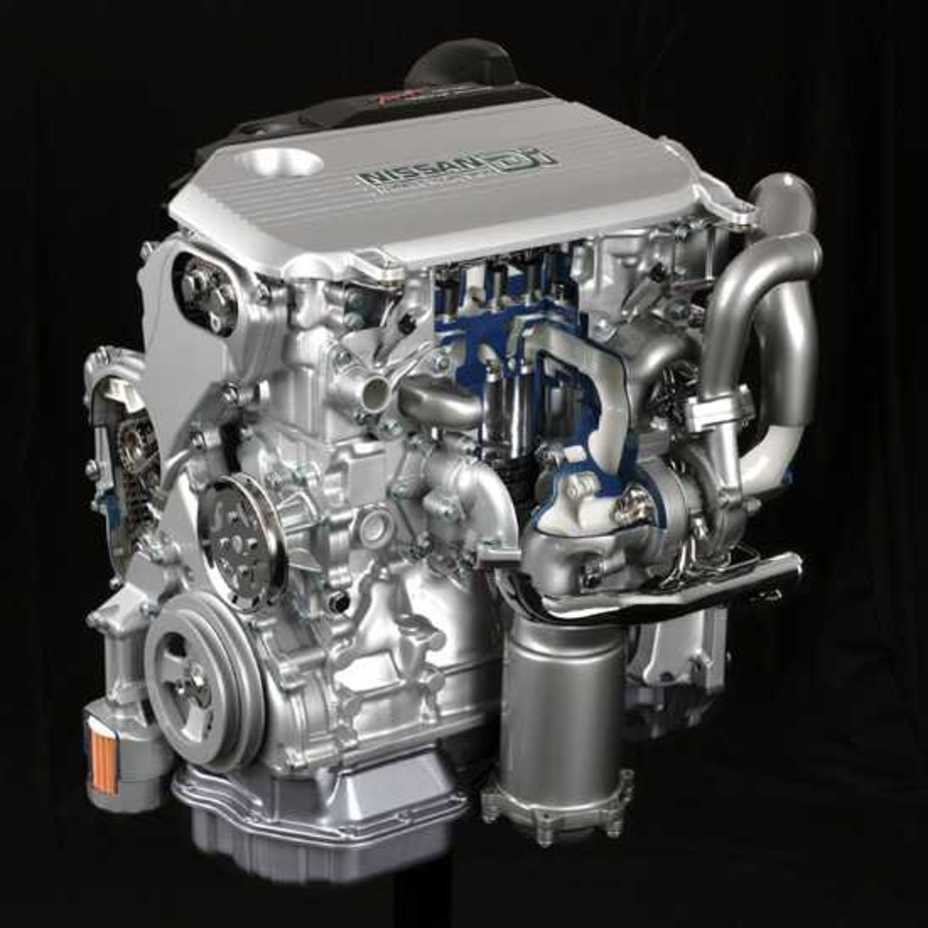
Nissan's new concept vehicle, Cypact, displayed at the Frankfurt Motor Show, features direct injection diesel engine technology never seen before in Europe. It will set new standards for economy and reduced emissions.
The Cypact concept vehicle features a 'three-litre engine' ' capable of powering a car for 100km using three litres of fuel and producing CO2 emissions no more than 90g/km. Responsive as well as clean, Cypact's engine produces 55kw (75PS) at 4,200rpm and maximum torque of 160Nm at only 2000rpm.
The new technology is Modulated Fire (M-Fire) combustion, which significantly reduces fuel consumption and emissions by burning fuel at a lower temperature. This is made possible by combining electronic fuel injection with exhaust gas re circulation, swirl control and complex chamber geometry.
M-Fire achieves a 40 per cent increase in fuel economy and a 35 per cent reduction in carbon dioxide emissions, compared with conventional diesel engines. Engines incorporating M-Fire will also be capable of achieving the high power output and low noise levels of petrol powered engines.
Nissan will introduce a family of engines with M-Fire combustion technology, ranging in size from 2.2 litres to 3.0 litres, to power a series of soon-to-be launched vehicles. The first will be the all-new Almera, also on display in Frankfurt.
Nissan's European operations include styling, design and development, manufacturing, sales, finance and industrial machinery. More than 15,000 people are directly employed in operations, with additional jobs created in over 4,000 Nissan dealerships across Europe.
EDITOR'S NOTES
Further major features of Nissan direct injection engines include:
- A high-pressure distributor-type fuel injection pump, which will better promote fuel spray atomisation. This makes the fuel more combustible, thus resulting in greater power output and less soot formation.
- A 16-valve DOHC configuration, which will improve induction efficiency.
- A variable swirl mechanism, which will regulate the amount of air in the cylinder to optimise the combustion accordingly with the engine speed - less air is needed at a lower speed than at high speed.
- A variable nozzle turbocharger (where applied), which will substantially improve turbocharger response for enhanced acceleration performance.
For more information please contact:
|
Stewart McKee |
Manager, Corporate Affairs |
01923 899936 |
|
|
stewart.mckee@nissan.co.uk |
|
|
Andrew Roberts |
Manager, Product Affairs |
01923 899933 |
|
|
andrew.roberts@nissan.co.uk |
Picture available via ISDN by contacting:
Karen Sutton at Imagecare. Tel: 0181 541 5403